By Ron Smith
July 7, 2026
Relocating to a new residence represents a significant milestone that brings both immense excitement and substantial logistical challenges. Managing the endless details of a transition requires careful planning, systematic coordination, and a clear understanding of the tasks ahead. Without a structured timeline, the days surrounding the transition can quickly become overwhelming, leading to misplaced items, unnecessary stress, and unexpected expenses. Developing a comprehensive strategy is the most effective way to maintain control over the entire process and ensure that nothing important gets overlooked. By breaking down your responsibilities into manageable phases, you can transform a potentially chaotic event into an organized and smooth journey.
Securing the right external support is one of the most critical decisions you will make during this transitional period. Professional assistance minimizes the physical strain on your family and ensures that your delicate belongings are transported safely. Utilizing a qualified team allows you to focus on the emotional and administrative aspects of settling into a new neighborhood rather than worrying about heavy lifting. Understanding what needs to be accomplished during each specific phase of the relocation helps you maximize the value of your chosen professionals. With a clear roadmap in hand, you can navigate the entire process with total confidence and peace of mind.
Completing Final Relocation Preparations
The week leading up to your relocation is the ideal time to finalize your packing and confirm all external logistics. You should focus on packing the remaining non-essential items, such as specialized kitchen gadgets, seasonal clothing, and decorative artwork. It is also essential to assemble a dedicated box containing immediate essentials like basic toiletries, a change of clothes, important financial documents, and basic tools. Keeping this specific box separate from the main cargo ensures that you have instant access to necessities without searching through dozens of sealed containers at your destination.
During these final days, you must also communicate directly with your chosen local moving service to verify the arrival time and address details. Confirming these logistics prevents scheduling misunderstandings and allows the team to plan their route efficiently. You should also take this time to defrost your refrigerator, drain garden hoses, and disconnect major electronic systems so they are ready for transport. Completing these tasks ahead of time ensures that the crew can begin loading the transport vehicle immediately upon arrival without facing unexpected delays.
Finalizing Your Utility Transitions
Managing your household accounts before the actual departure date prevents unexpected service disruptions at both properties. You need to contact your electricity, water, gas, and internet providers to schedule the exact disconnection date for your current residence. Simultaneously, you must coordinate with the service providers at your new address to ensure that all essential utilities are fully operational before you arrive. This careful coordination ensures that you do not spend your first night in a dark or cold environment because of an administrative oversight.
In addition to managing utilities, you should submit an official change of address form with the postal department to ensure your mail is forwarded correctly. Updating your address with banking institutions, insurance providers, and subscription services during this week prevents sensitive financial documents from being delivered to the wrong location. Taking care of these administrative details ahead of time allows you to focus entirely on the physical transition when the actual relocation date arrives. This proactive approach eliminates a major source of post-relocation anxiety.
Managing the Morning Arrival
When the actual relocation day arrives, maintaining open communication with the incoming crew sets a positive tone for the entire process. As soon as the local moving service arrives at your property, conduct a thorough walkthrough of the entire house with the team leader. Point out any fragile items, heavy furniture pieces that require special handling, or specific boxes that need to be loaded last so they can be unpacked first. This initial discussion ensures that the entire crew understands your specific expectations and safety concerns.
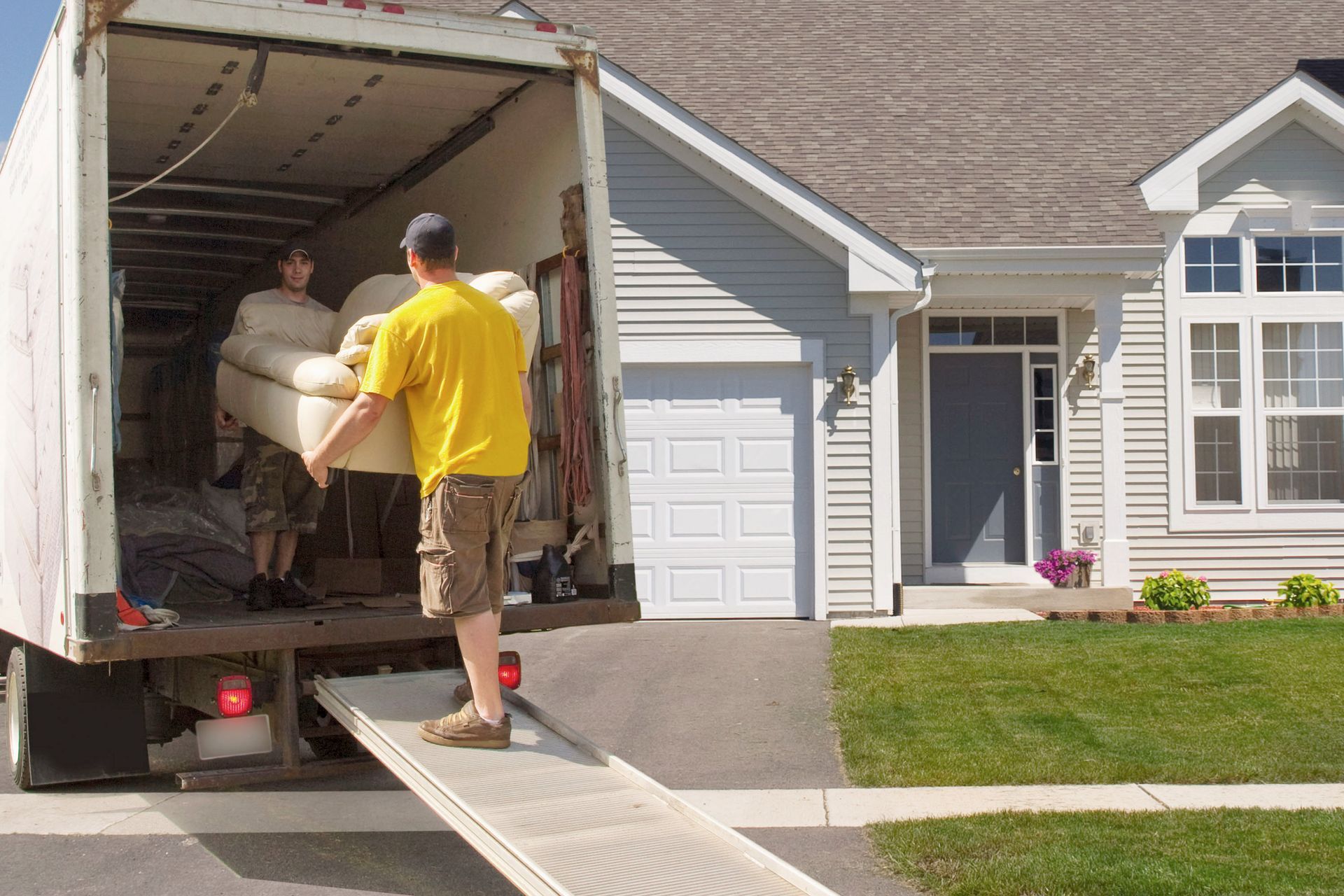
After the initial walkthrough, your primary responsibility is to remain available to answer questions while the crew handles the heavy lifting. The professionals will systematically load the transport vehicle, utilizing specialized techniques to maximize space and prevent items from shifting during transit. While they work, you can perform a final cleaning sweep of the empty rooms and double-check closets to ensure nothing is left behind. Trusting the physical labor to a capable local moving service allows you to supervise the process calmly without injuring yourself.
Securing the Empty Property
Before you lock the door of your old home for the final time, you must perform a comprehensive security and maintenance sweep. Walk through every single room, closet, attic space, and garage corner to confirm that every personal possession has been successfully loaded into the transport vehicle. Check inside appliances like the oven, microwave, and dishwasher to guarantee that no cooking utensils or cleaning supplies were accidentally left behind. This final inspection protects you from losing valuable belongings that are difficult to replace.
Once you are certain the property is empty, turn off all internal lights, close the window blinds, and lock all exterior windows and doors securely. Adjust the thermostat to an energy-saving setting that protects the property from extreme temperature damage while minimizing utility costs. If you are leasing the property, take detailed photographs of the empty rooms to document the clean condition of the space for your security deposit return. Handing over a secure, clean property marks the successful completion of the departure phase.
Supervising the Unloading Process
Arriving at your new residence marks the beginning of the exciting unpacking phase, which requires just as much organization as the initial departure. When the local moving service backs their vehicle into the driveway, guide the team through the new floor plan so they know the layout. Affixing clear labels or color-coded signs to the entry door of each room helps the workers identify where to place specific boxes without needing constant direction. This organizational system speeds up the unloading process significantly and keeps the hallways clear of clutter.
As the crew carries items into the house, inspect the condition of your large furniture pieces and major appliances for any transit damage. Direct the team to place heavy items exactly where you want them, as moving these large pieces later without professional equipment can be incredibly difficult. A professional local moving service will gladly position your beds, sofas, and dining tables according to your preferences before they finalize their work. Once the vehicle is empty, review the final paperwork with the team leader before they depart.
Analyzing Scale and Physical Scope
Understanding the sheer volume of a standard residential relocation highlights why professional assistance is so vital for a successful transition. According to Movers.com, moving house involves moving 7,000 pounds of belongings on average. This staggering weight demonstrates the immense physical demands placed on individuals who attempt to manage a relocation entirely on their own. Attempting to lift, stack, and transport thousands of pounds of furniture without proper training increases the risk of personal injury and property damage.
Entrusting this massive physical burden to a qualified local moving service ensures that your heavy possessions are handled with specialized equipment and proven lifting techniques. Professional teams use heavy-duty dollies, protective furniture blankets, and secure tie-down straps to manage this substantial weight safely. Knowing that an experienced local moving service is handling the heavy lifting allows you to protect your health and focus on the administrative details of the move.
Successfully relocating your household requires a delicate balance of careful planning, physical stamina, and systematic organization across multiple weeks. By checking off tasks during the final preparatory week, managing the logistics on the actual day of the transition, and systematically organizing your new space afterward, you can maintain control over the entire experience. Utilizing a professional local moving service eliminates the physical risks associated with transporting thousands of pounds of household cargo, allowing you to settle into your new neighborhood with minimal disruption. When you are ready to experience a seamless, organized, and stress-free residential transition supported by experienced professionals, contact Ron's Delivery & Moving today.